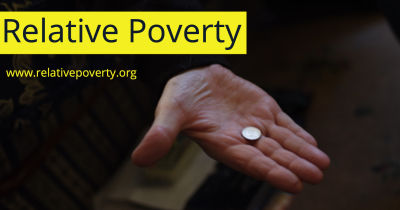
The residential care system does not provide people with the incomes they need to thrive and contribute.
Author: Brigid de Courcy
For adults with learning disabilities living in residential care, the Personal Expenditure Allowance is meant to cover the everyday essentials that allow a person to live with dignity. Clothing, toiletries, haircuts, chiropody, and ear-wax removal are expected to come from this allowance. However, in practice, the weekly amount is often so low that it leaves little room for choice, participation, or meaningful engagement. My experience with my son Sam shows how wide the gap can be between policy intention and reality.
Sam was born with Down syndrome and autism. For most of his life he lived at home, where I provided the structure and support his complex needs required. The thought of him leaving home filled me with both apprehension and determination. I knew the transition would be significant and potentially challenging, and I felt an immense responsibility to ensure it was handled with care. Although Sam’s speech is limited, he communicates in many meaningful ways. The idea of leaving home was far too abstract for him to grasp. His three sisters had moved out years before, but whenever the question arose, Sam’s response remained simple and unwavering, “stay here with Mum.” While life at home was familiar and safe, I knew it would not always remain possible.
We live in a rural area, accessible only by a mile-long off-road track. Carers often struggled to reach us, and as I grew older, the physical demands of caring for Sam became increasingly pressing. I needed to think ahead about what would allow him not only to live safely, but to participate in daily life in ways that were meaningful to him.
When exploring options, I sought providers whose values aligned with my hopes for Sam. Cornwall Council had adopted the 7 Keys to Citizenship framework, which focuses on supporting people to live as active and equal citizens and prioritises personalisation, choice, inclusion, relationships, contribution, rights, and valued roles within their community. After considerable research, I found a locally based provider whose practice reflected these values. Sam now lives in a small residential home, receiving one-to-one support, including waking nights. He shares the home with one other person, with a third due to join soon. Importantly, Sam makes choices every day about activities, where to go, and how to spend his time. Seeing him happy and settled has been a source of enormous reassurance.
Unfortunately, alongside this positive transition, a significant challenge has emerged: the extremely low level of Personal Expenditure Allowance (PEA) Sam receives. Following his financial assessment, I learned that the residential care charges were higher than anticipated. Once the local authority applied its fixed deductions, Sam was left with a PEA of £30.65 per week.
This allowance is expected to cover personal items such as clothes, toiletries, haircuts, chiropody, and ear-wax removal. Sam’s entire PEA is used for activities and transport, the things that keep him active, engaged, and connected to the community. When these costs are accounted for, nothing remains for the basics the allowance is intended to provide.
As a family, we are struggling to meet these financial pressures. I have cared for Sam for 46 years and have been unable to work outside the home. Many other families face the same challenge, regularly supplementing their adult children’s daily living costs. For those without family support, the consequences are stark: fewer opportunities, limited participation, and a diminished quality of life. Adults living in residential care deserve personal funds that enable them to make choices and participate fully, not to be constrained by a system that fails to meet their basic needs.
The PEA system exposes a deeper problem within adult social care.
While budget constraints are often cited, they cannot justify gaps in essential support that weaken truly person-centred practice. The allowance, as it stands, restricts adults with learning disabilities from meeting personal needs and engaging fully in daily life. Personal funds should support full citizenship, not compensate for systemic shortcomings that families are left to absorb.
As Sam’s mother, I want him to have opportunities to live fully, make meaningful decisions, and engage with the world around him. The principles of the 7 Keys to Citizenship: personalisation, choice, inclusion, relationships, contribution, rights, and valued roles, should not remain aspirational. They should be the lived experiences of every person in residential care.
Sam’s story is not unique; it reflects a widespread and pressing issue.
By sharing his experience, I hope to raise awareness of the structural limitations within the Personal Expenditure Allowance and the broader challenges faced by adults with learning disabilities. If we are serious about citizenship, dignity, and inclusion, the PEA must be reimagined to reflect those commitments, not undermine them.
The publisher is Citizen Network. Poverty in Residential Care © Brigid de Courcy 2026.
disability, health & healthcare, Inclusion, intellectual disabilities, social care, tax and benefits, England, Northern Ireland, Scotland, Wales, Article