CTRLshift was an important initiative to move power back to communities to create a regenerative society.
Author: The CTRLshift Team
CTRLshift was a critical movement for change that was born out of frustration at the sense of powerlessness that existed across the UK at the time. Its creation also marked an important turning point for many groups working for a more hopeful, human and sustainable future. Increasingly, communities are recognising that things will only change if they have faith in their own power to make a difference. Between 2017 and 2025, during the post-Brexit political crises, the COVID pandemic and the ongoing impact of austerity and climate change, CTRLshift made innovative steps to find a better way forward:
In 2025, CTRLshift decided to formally bring its organisational existence to an end, leaving behind a legacy of work to empower local communities. CTRLshift demonstrated the appetite for change that is bubbling up within our communities. It showed that diverse groups can get organised, learn and share. It worked with discipline and energy to push things forward at a time when many people were losing hope—we hope that the connections and explorations it seeded will continue to grow and thrive.
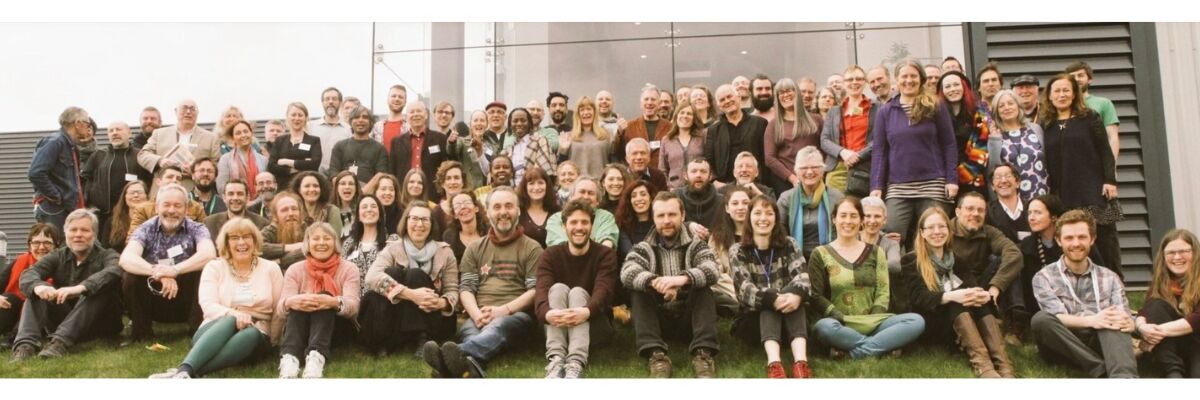
CTRLshift was an important project which aimed to create a radical shift in the organisation of power in the UK. It began in 2017 as a response to the UK referendums decision to leave the European Union (EU) and to the deepening environmental, social, economic and democratic crises that the UK is experiencing. The aim was to shift the centre of political and economic power away from central governments, wealthy individuals and international corporations, towards local community organisations, their networks and participatory local government. There was also strong alignment with movements for environmental regeneration. CTRL Shift’s membership was open to individuals, organisations and networks that resonate with this vision.
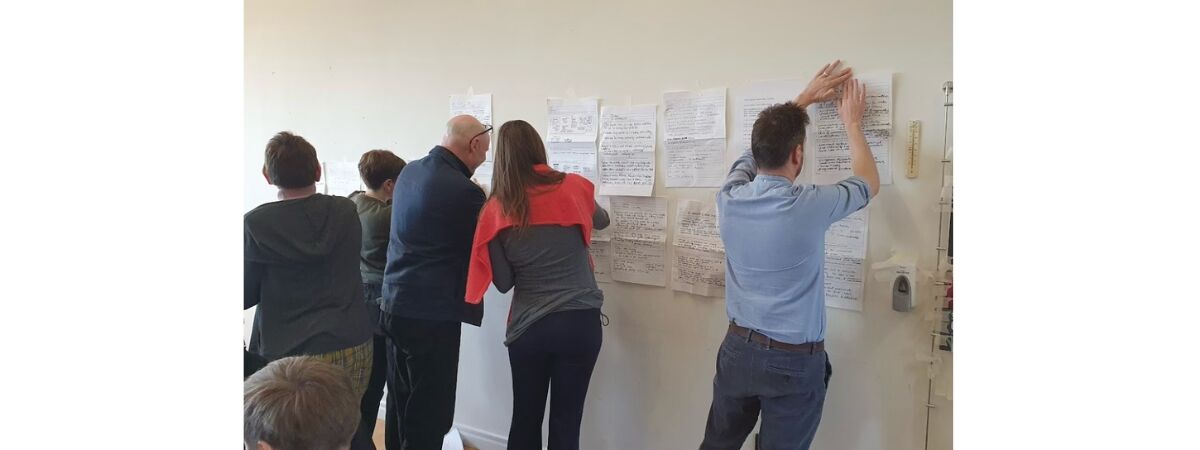
In the beginning, CTRLshift’s activities focused on creating UK-wide summits to bring together 100s of organisations in Wigan (2018) and Stoke on Trent (2019). The events engaged local organisations to help plan and host them, leaving a legacy of new relationships with each other and with national bodies. They were facilitated to be highly participative and action-focused, with attendees sharing their own approaches to shifting power and developing proposals for collaborative action beyond the event itself.
At the first event in Wigan, over 100 organisations and networks came together to identify key issues and themes, map strategies and approaches, and learn more about each other’s work. It was a rich two and a half days, and many initiatives and projects grew from the relationships that were formed. Wigan was chosen because of its high Brexit vote, its rich industrial history, its links to the Diggers Movement and a sense that it was a place ‘left behind’, as captured as early as 1937, by George Orwell’s The Road to Wigan Pier.
You can witness the spirit of the 2018 summit in the film below:
By 2019, the uncertainties of Brexit remained, but the collective sense of emergency had deepened. In the midst of climate change protests across the world, and a growing recognition that communities are facing intersecting social, economic and environmental crises. The second summit was held in Stoke-on-Trent, a place that had been dubbed the ‘Brexit Capital’ of the UK. In the area, there was a strong desire from local groups to rewrite that narrative and showcase the amazing work being done on the ground to build power and agency locally.
The summit was held at an ex-pottery works converted into a hotel called Potbank, as well as an old warehouse adjacent to this. It felt like a microcosm of what a CTRLshift could look like. Perhaps the greatest thing achieved during CTRLshift 2019 was coming to a collective understanding of the need to collaborate, share and challenge ourselves to bring about the change we want to see. Second to this was the sheer diversity of voices in the room and out there, making change happen. Finally, a strong working group of local motivated individuals and organisations emerged from the event, with a real commitment to make Stoke the first CTRLshift city.
You can witness the spirit of the 2019 summit in the film below:
In 2020, the pandemic made in-person summits impossible, and led to a slow down of activities, although a virtual summit was held. In 2021, CTRLshift member Transition Network succeeded in obtaining funding for CTRLshift activities through the National Lottery Community Fund via the Transition Together project. The CTRLshift team experimented with different ways of networking and alliance building, from the local to the national scale, in order to widen and deepen the movement. It aimed to expand and strengthen the communal infrastructure that allows communities and their supporters to communicate, coordinate, cooperate and learn together, weaving a nationwide network of change.
CTRLshift distributed £35,000 in funding to support partnership projects across the UK. It chose projects with high power shifting potential, whether because of their disruptiveness, the power structures engaged, or the number of organisations and networks involved. These covered a specific community of place, were community-led, connecting with and amplifying what was already happening. They also promoted equity and inclusion in their communities.
These were the projects:
CTRLshift also facilitated a community of practice to connect and support the leaders of these projects. Through monthly virtual meetings, structured discussions, and project spotlights, it enabled participants to share experiences, build relationships, and gain practical insights. You can see three of these sessions in the films below:
The project leaders also co-created a document which tells the story and impacts of these projects and contains a guide to replicating them in your own community. You can find the guide here.
CTRLshift also carried out a programme of action research in partnership with Stoke CTRLshift City (SCSC) to define place-based approaches to shifting power locally.
The overarching question for the research project was: “How can connections and relationships of mutual aid between local and national partners aimed at shifting power locally be facilitated in ways that are simple, effective, quick and low cost?”A series of workshops or ‘Exchanges’ was arranged, which brought together local organisations and individuals working on locally identified priorities with national CTRLshift partners with relevant knowledge and experience. The Exchanges were designed to provide opportunities for mutual exchange and sharing of knowledge and skills.
The project contributed towards the development of an effective process of support provision for place-based action that was flexible, exploratory and non-prescriptive. This was underpinned by supportive locally-led facilitation, which enabled people to stretch in safety and which created a space for people to think and reflect together about how they might start to shift power locally in relation to the different themes.
Key learnings from the process included the recognition of the importance of narrative and identity as a tool for collective empowerment, and that the idea of “shifting power” was felt to be useful and provided a new language which enabled local participants to discuss the themes of making, planning, democracy, etc. within new framings of narrative, identity, and power dynamics. A guide was published and is available here.
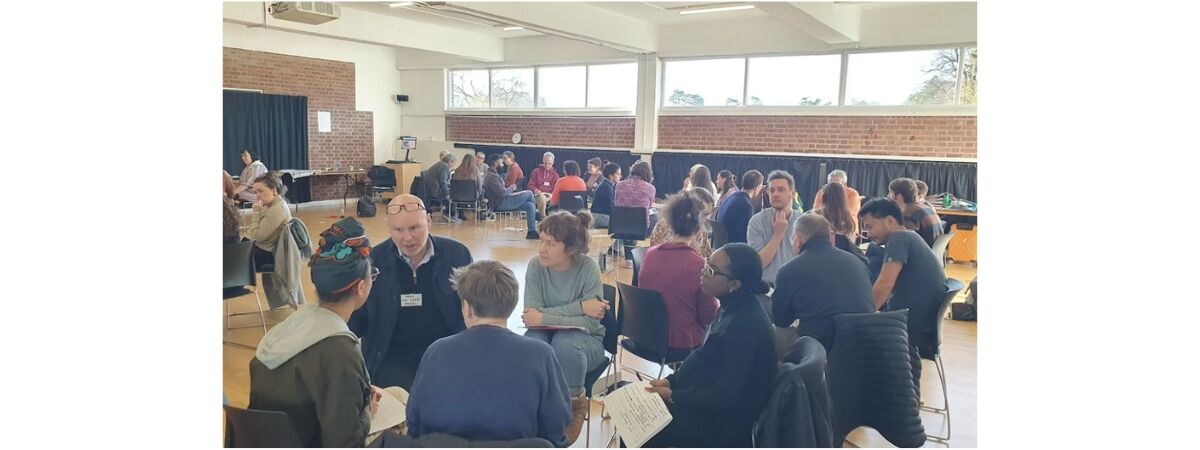
On Tuesday, 26th November 2024, we hosted The Future is Now, a one-day gathering in Birmingham for national organisations across the UK working to shift power from the hands of the few into the hands of the many. The gathering took stock of the current context and explored how we can work together constructively, both within and across different sectors, to build a better future.
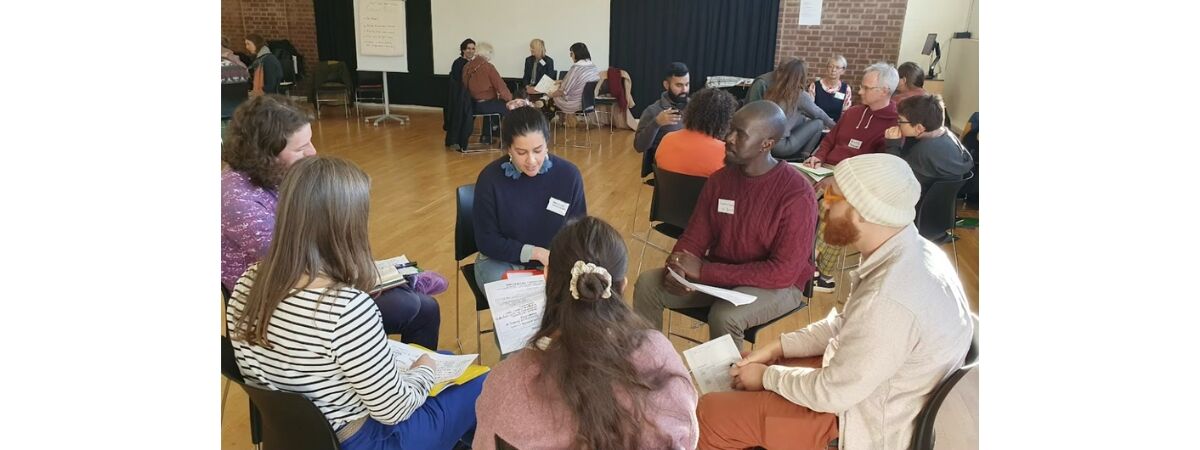
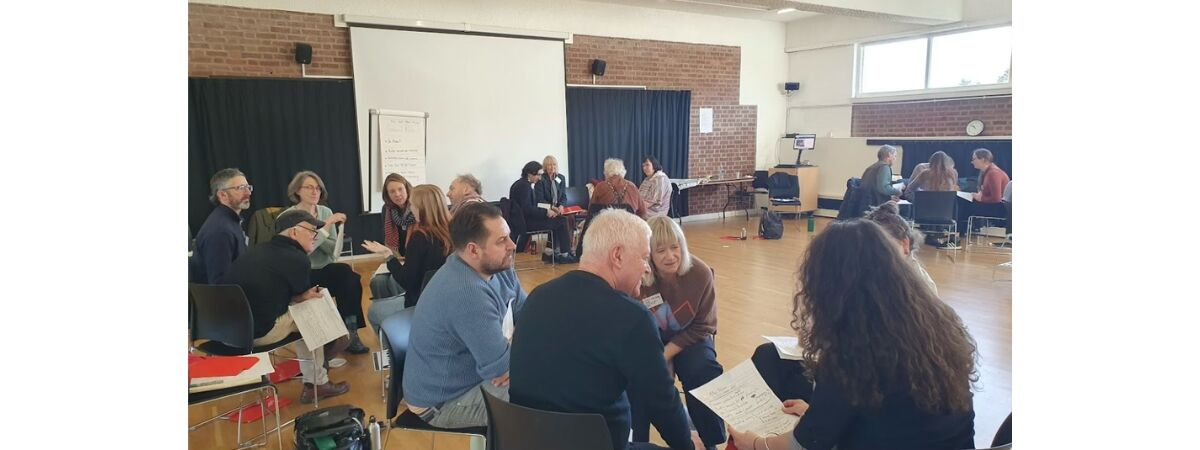
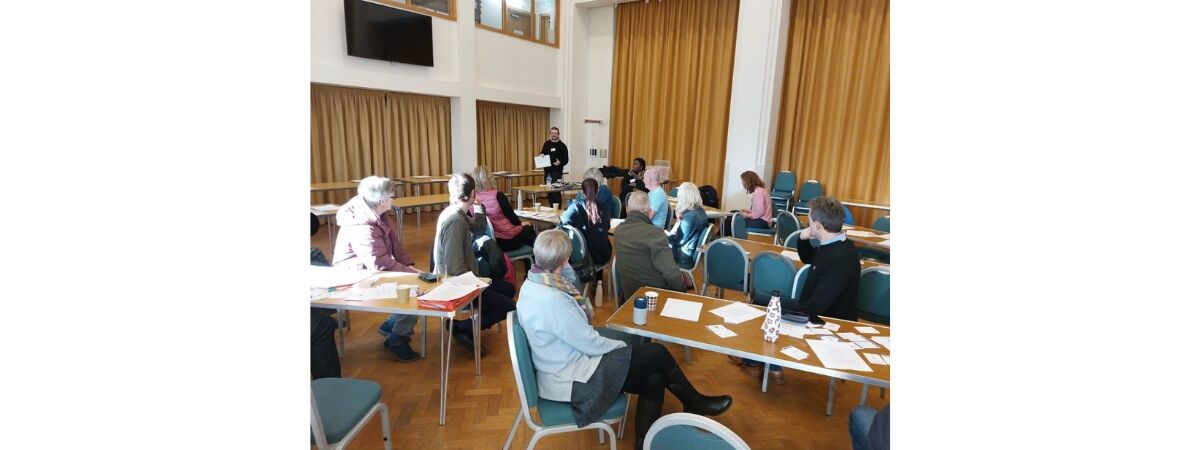
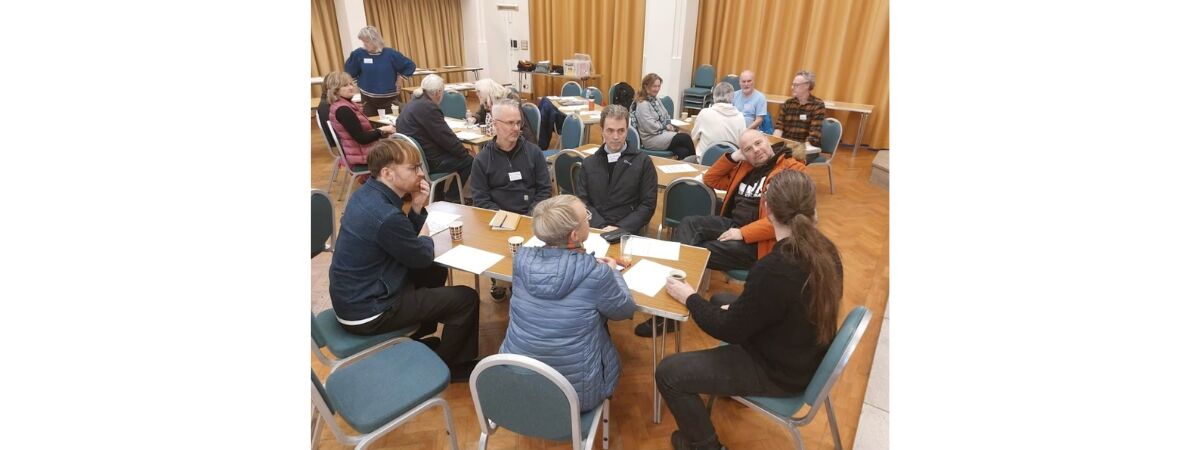
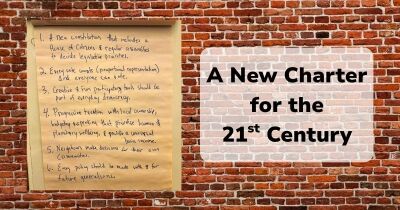
In 1838, a People’s Charter was drawn up with a list of 6 demands on Parliament to extend the vote beyond those with property. Drawing millions of supporters, this was the UK’s first mass movement driven by the working class, and led to the Reform Acts decades later. On December 2nd 2025, in Sheffield, CTRLshift teamed up with Citizen Network and Our House to hold a convention on the future of democracy in the UK. We answered how the United Kingdom’s political and economic system should be reformed, in order to shift power from the hands of the few to the hands of the many.
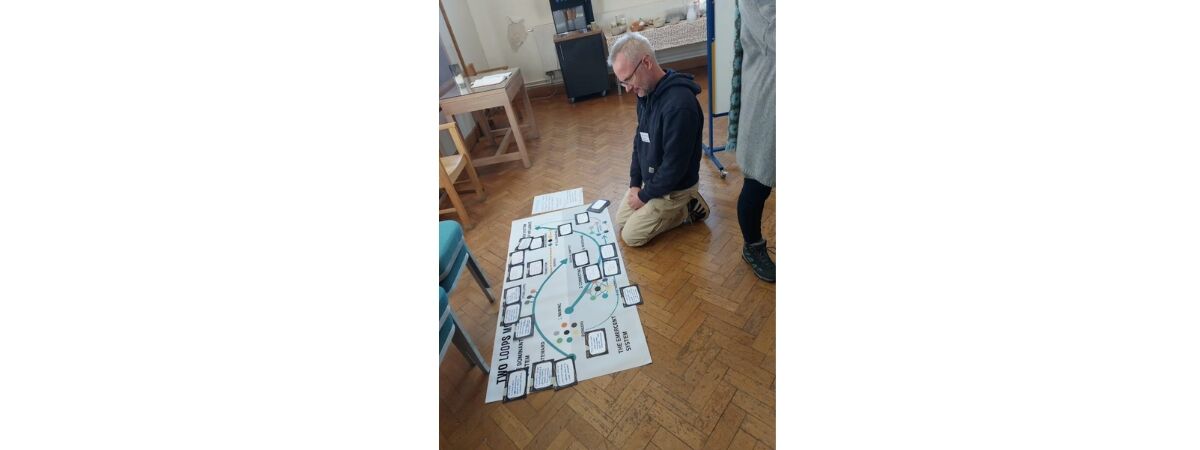
The event in Sheffield also brought together many of those who had been leading CTRLshift in different roles since 2017. There was agreement that the underlying problems that had drawn people together were still as relevant—the question of how to shift power in a country like the UK, with its history of centralisation and colonialism, is immensely difficult but remains an essential challenge. However, it was recognised that the project had lost its initial momentum. COVID had played a big part in disrupting the central methodology of gathering large groups together in order to find a better way, and the network had struggled to recover momentum. Further, the visionary leadership that had been part of CTRLshift in its inception had to step down for personal reasons.
The group decided that it was time to end CTRLshift in its current form—and Citizen Network offered to host the learning and legacy materials on its website. CTRLshift leaves behind a legacy of actions to empower local communities, from large-scale summits to prototype projects in local communities; learnings for those who participated and exchanged with them, documented so they can be spread to other places; and UK-wide networks of relationships, including lifelong friendships.
CTRLshift demonstrated the appetite for change that is bubbling up within our communities. It showed that diverse groups and interests can get organised, learn and share together. It worked with discipline and energy to push things forward at a time when many people were losing hope.
The publisher is Citizen Network. The CTRLshift Story © The CTRLshift Team 2026.
Citizen Network, community, Constitutional Reform, Local Area Coordination, local government, Neighbourhood Democracy, politics, England, Article