Jason Leman shares the May 2026 edition of our Neighbourhood Democracy newsletter.
News | 15.05.26
Sign up here to receive this regular newsletter by email.
The elections to local authorities in the UK have been a tumult of politics. Sometimes national politics has dominated the question of who represents our neighbourhoods. Yet the question of what our nation is and does is rooted in neighbourhoods. What we do in our places is both shaped by and shapes politics at every level. This newsletter draws together guidance, comment and campaigns around politics and what we do where we live.
|
|
Make votes matter less |
|
|
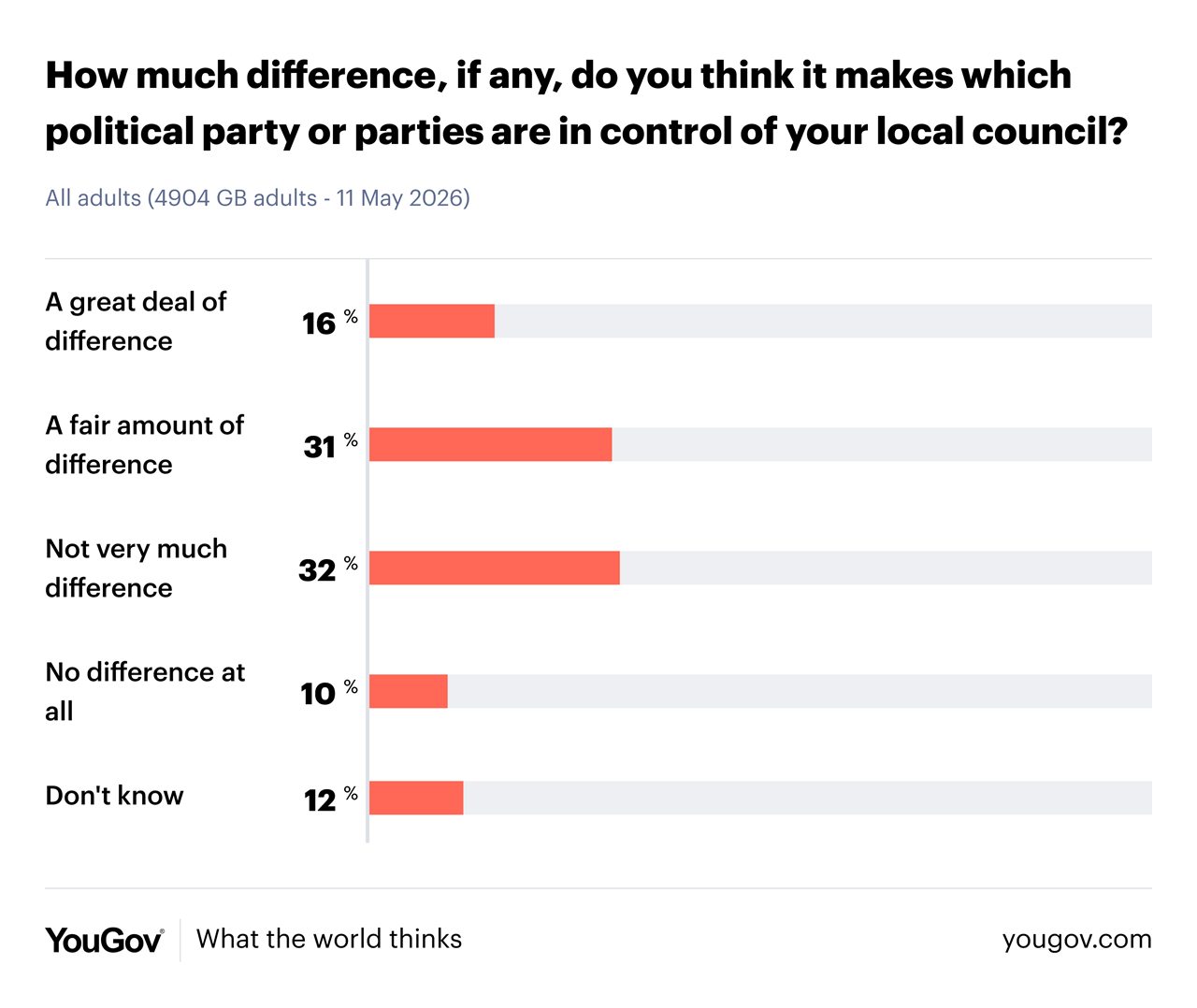
As councils have changed up and down the UK, opinion is evenly split on whether a change of council makes a difference to local people. The above YouGov research did find Reform supporters particularly confident a change of party made a difference. What is true across all parties is that the election of councillors is just the first point of participation. Which way people voted matters less if all councillors are connected and held to account. If you’re in a position to encourage others to get in touch with councillors or do so yourself, this Easy Read guide to contacting councillors usefully sets out how residents can work with them (and what councillors can and can’t do). |
|
|
How councils break dreams... |
|
“Poor communication inside the council meant that, despite backing from one department, another department abruptly halted the plan … momentum fizzled, leaving residents disheartened and trust in the council shaken … the voice and desires of the community were trumped by bureaucracy.” |
|
Contacting a councillor is no guarantee of being heard. Even if they engage, the boundaries of “it’s too risky for us” or “this is how we do things” can conspire to suppress imagination and innovation. The Museum of Broken Dreams by We’re Right Here is equal parts inspiring and infuriating. It illustrates what happens when decision-makers fail to understand the value of what has grown from the communities they represent. |
|
|
...and how the Council can build dreams |
|
"Go to the people; live among them; love them; start from where they are; work with them; build on what they have. But of the best leaders, when the task is accomplished, the work is completed, the people all remark: 'We have done it ourselves'." |
|
To mend broken dreams takes an approach that values what communities do, where councillors help make things happen for those who contact them. Councillors can help people navigate, infiltrate, and shift the complex and often contradictory machinery of local authorities. The framing of how politics is done in places is both shaped by and cuts across parties. Some parties are more naturally disposed to collaborate, whilst individual councillors of every hue can be found doing good work with communities.
The Local Government Association workbook on community leadership quotes Lao Tzu. Councillors are guided towards a collaborative way of working with communities that supports rather than dominates. If you are a councillor you might find the workbook useful to provoke thinking (and perhaps share with colleagues!) |
|
|
How we talk politics in our places |
|
“Robust debate and scrutiny are essential aspects of our democratic process; abuse and intimidation shouldn’t have to be. Abuse can make elected representatives feel they need to step down and put potential future candidates off standing altogether – with women, people from a minority ethnic background, and those with disabilities suffering a disproportionate level of this behaviour. “ |
|
If collaboration across boundaries is needed for councils to build dreams then politics can get in the way. As political and cultural movements clash within a dehumanised public sphere, the environment of politics is becoming more toxic and divided. The job of councillor is increasingly the target of resentful and distrustful people within communities, reducing the chance of ordinary people getting involved. The Jo Cox Foundation, along with Compassion in Politics, is asking everyone engaging in politics to sign the civility pledge to: – Use a civil and constructive tone in debate |
|
|
The neighbourhood at the root of our politics |
|
"The challenges people are living with don’t arrive neatly separated. They show up entangled, in the texture of everyday life, in different combinations in different places. Responding well to that complexity depends on being close enough to understand what’s actually going on and make careful, grounded decisions about what might help. … Feeling the pull to do something because it’s your place, your street, your neighbourhood. That can bring a different kind of attention and a different kind of energy." |
|
If the problems defining our current politics are national and beyond, the solutions are in neighbourhoods. James Lock of Sheffield-based Opus Independents talks about the importance of neighbourhoods for solving our challenges. The role of collaboration and civility in all its forms, rooted in our places, shines through: |
|
|
|
Hope this update is of interest and, as ever, if you have news or ideas to share then please get in touch. Till next time, hope all goes well. Best wishes, Jason Jason Leman |
|
|
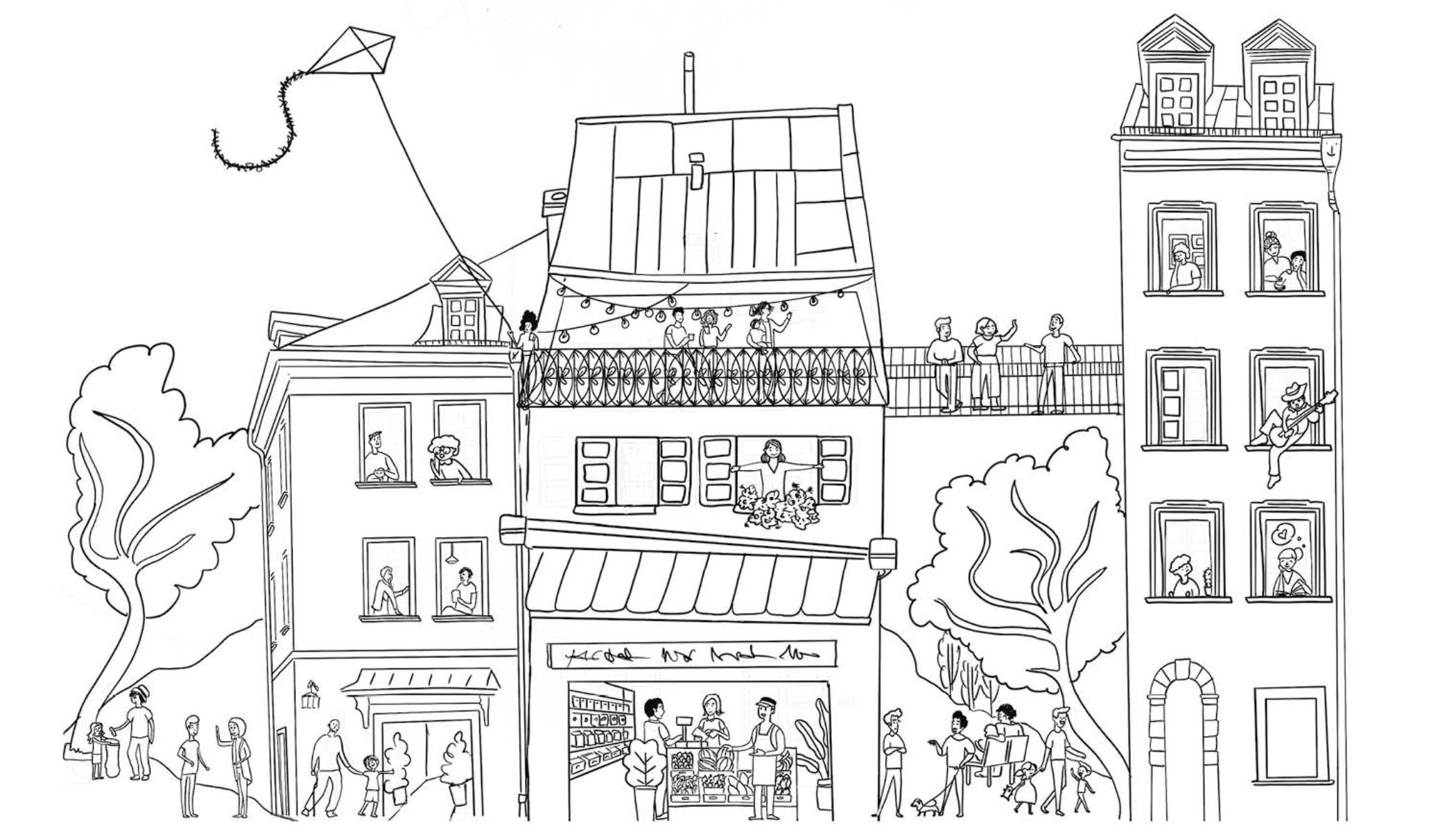
Thanks to Ester Ortega for the wonderful illustration. |